
Fine Motor Skills in Children – 5 Ways to Build Them Without Boredom

by 💛 T. Odyssey
5 minutes read
Fine Motor Skills in Children

fine motor skills in children

Fine motor skills in children are one of those topics that keep coming back – in preschool, at home, and in homeschooling. And that’s a good thing. It’s an area that often causes real challenges, especially when practice turns into… boredom 😅
And a bored child usually means little to no progress.

That’s why today I want to share 5 unusual, proven ways to support fine motor skills in children that genuinely engage them.
No pressure. No “sit down and do this.”
Instead: movement, color, curiosity, and freedom.

All ideas below are based on materials available on odysseystudio.art – both free and paid.

What are fine motor skills?

Fine motor skills are the ability to perform precise movements using the hands and fingers, such as grasping, drawing, cutting, coloring, or later on – writing.

They play a key role in a child’s independence and are essential for learning to write, use tools, and manage everyday tasks. Developing fine motor skills relies on activities that build control, coordination, and smooth hand movement.

Tracing Worksheets for Kids

1. Tracing activities that don’t feel like worksheets

Traditional dotted-line worksheets usually teach just one thing:
“Do it exactly right.”

But fine motor development in children needs something more:

  • smooth, natural hand movement
  • a sense of purpose and flow
  • room for mistakes and experimentation

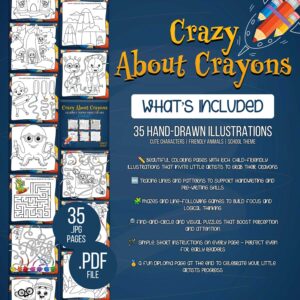
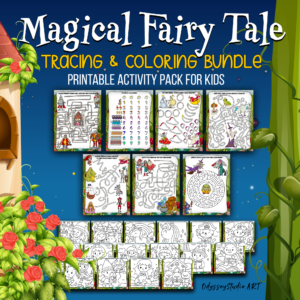
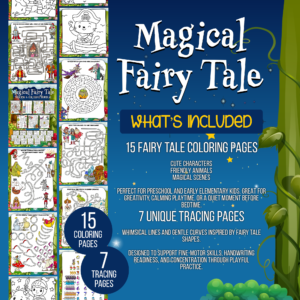
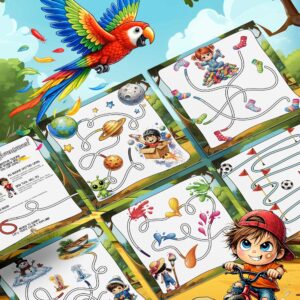
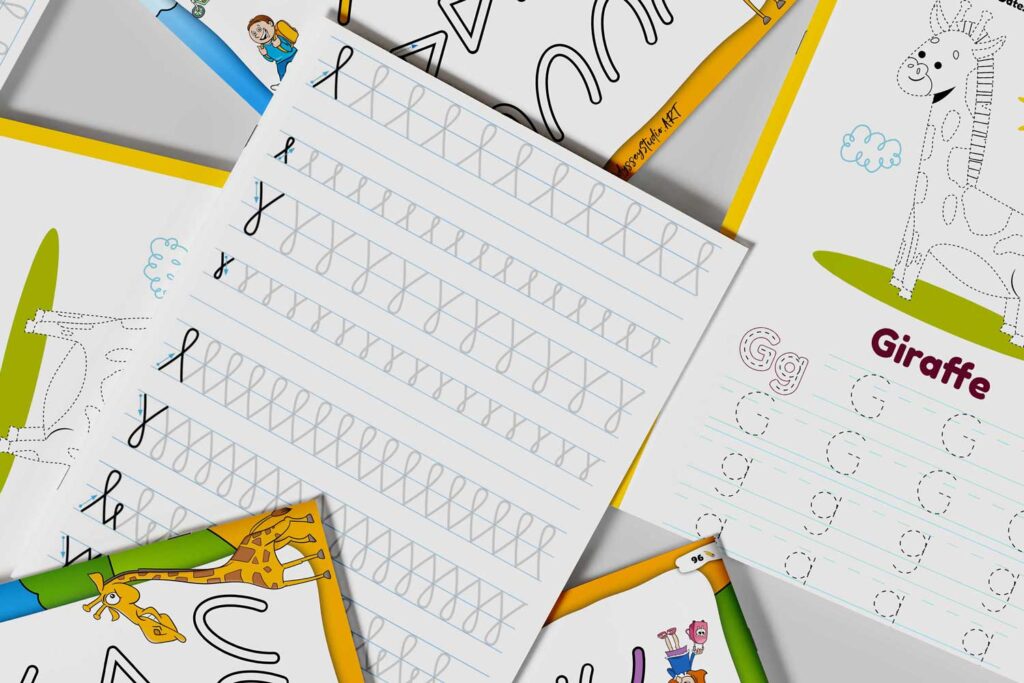
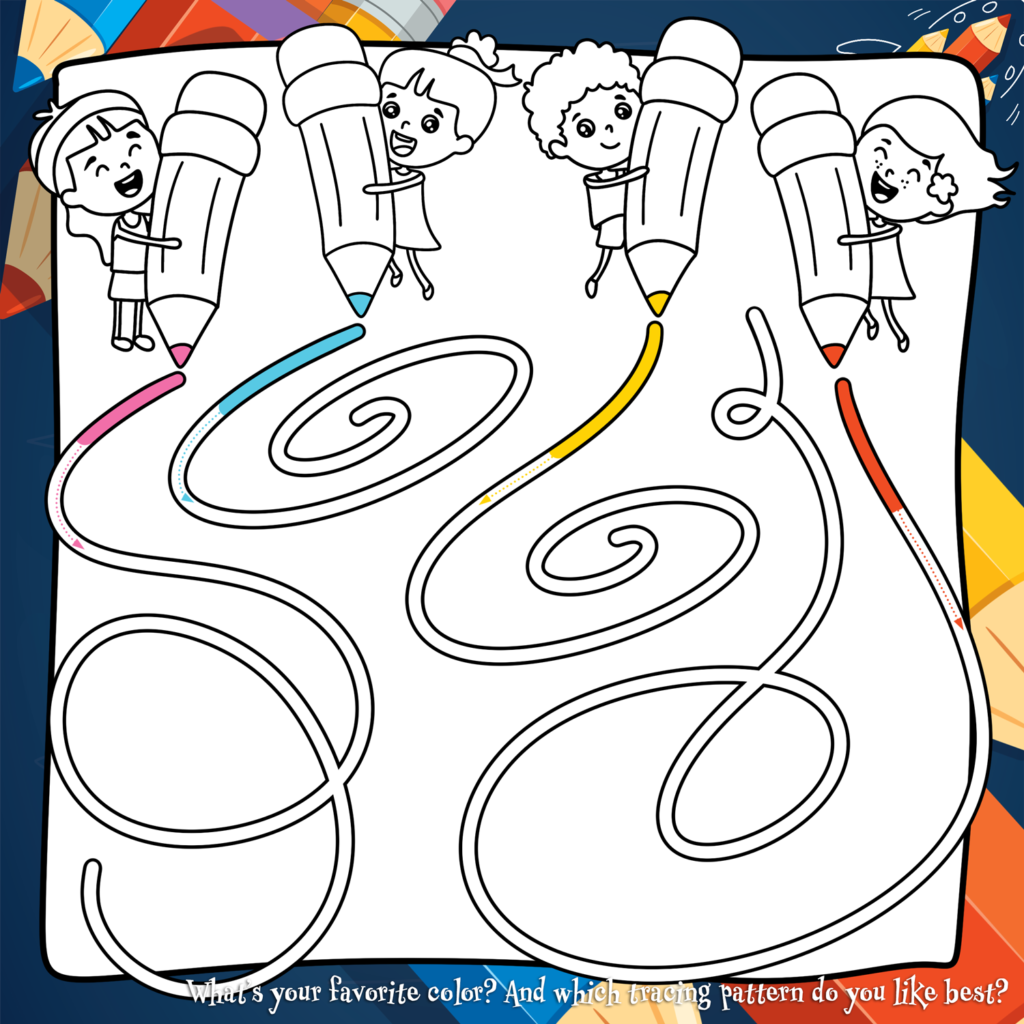
Creative tracing sets from Odyssey Studio focus on:

  • continuous lines instead of dots
  • colorful shapes that naturally guide the hand
  • activities that feel like drawing, not completing an assignment

The result?
Children practise fine motor skills without even realizing they’re “doing exercises.”

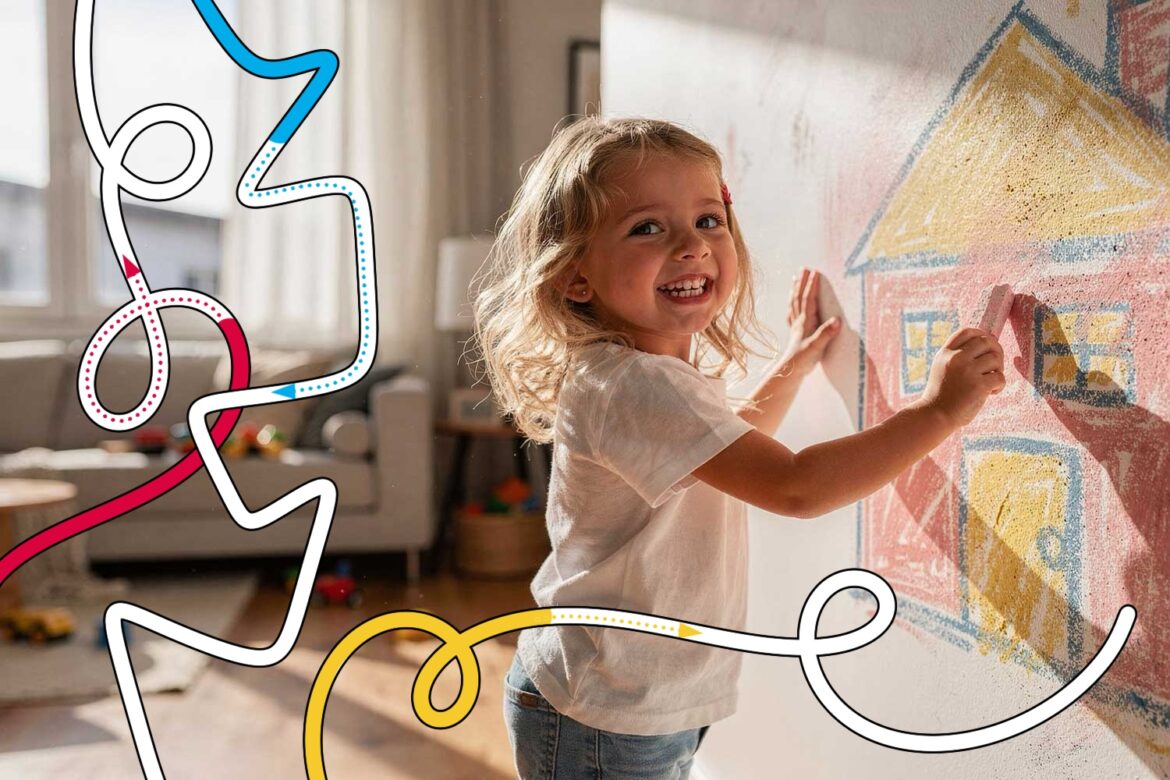
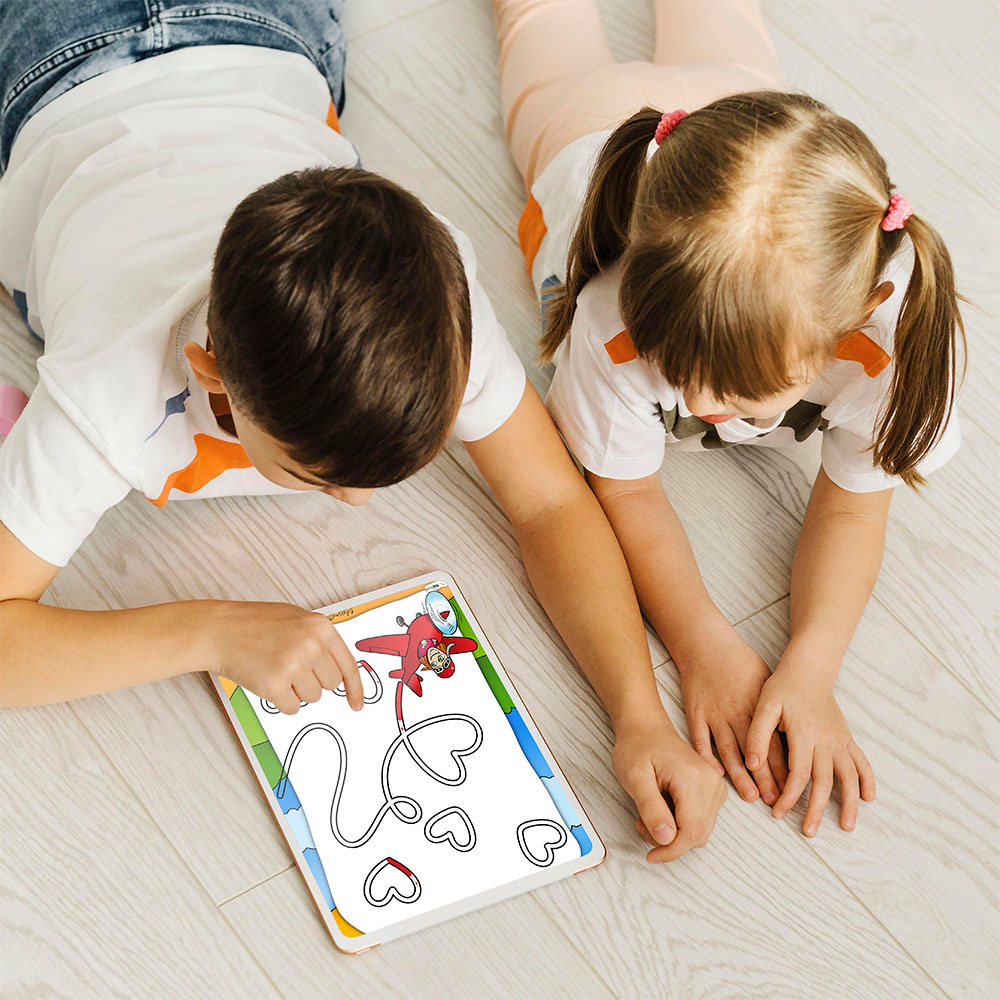
2. Fine motor skills in motion, not just at the table

Not every child wants to sit still – and that’s completely normal.

Try:

  • laying activity pages on the floor
  • clipping them to a wall, board, or easel
  • tracing first with a finger, then with a crayon or pencil

Many printable sets on odysseystudio.art work beautifully this way because they:

  • have clear, readable lines
  • feel visually light and inviting
  • don’t demand perfect precision

This approach supports fine motor skills while also improving coordination and allowing natural whole-body movement.

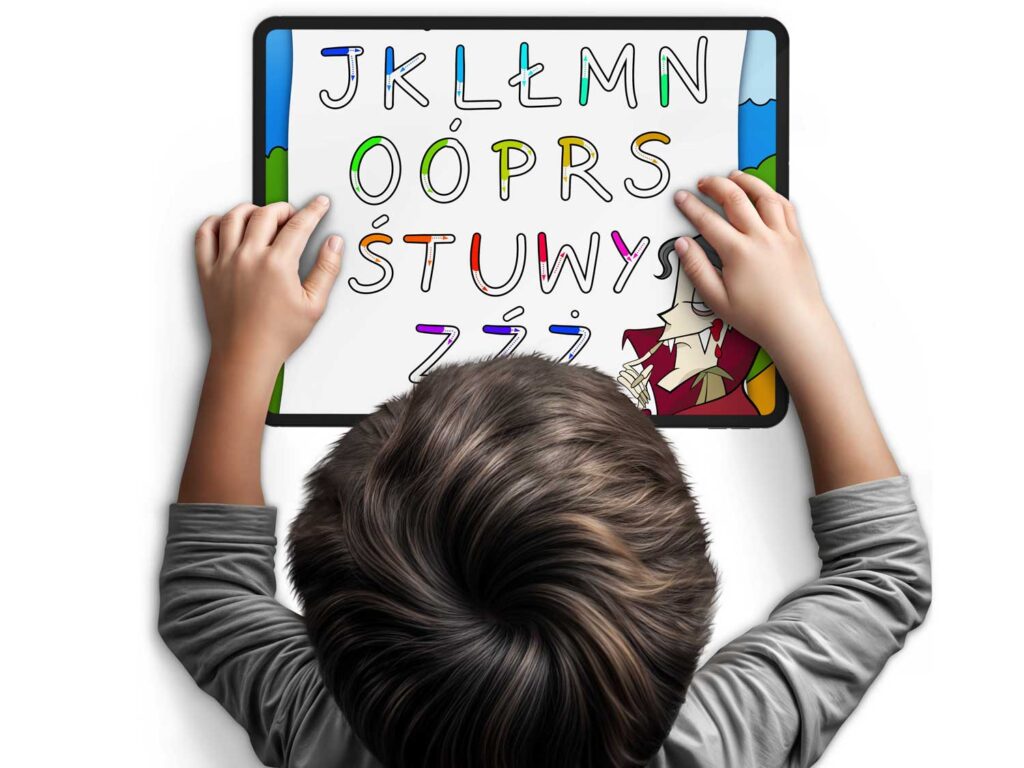
3. Using tablets to support fine motor development

Fine motor skills in children can also be developed digitally – as long as technology is used intentionally.

That’s why Odyssey Studio sets include:

  • PDF files for printing
  • JPG files designed for drawing on tablets

I am very much against demonizing technology. In 10-15 years, when today’s preschoolers are nearly grown, the world will look very different. We’re not going back to dipping pens in ink wells.
Used wisely, technology can support development rather than replace it.

On a tablet, children can:

  • trace with a finger or stylus
  • practise precision and control
  • get comfortable with direction and pressure
  • can always start over if they make a mistake

This is a great option for children who:

  • get bored with paper quickly
  • enjoy digital tools
  • benefit from switching activity formats
Using tablets to support fine motor development

4. “Do it your way” instead of “do it perfectly”

Fine motor development works best when mistakes are welcome.

Allow your child to:

  • trace lines in reverse
  • change colors during the activity
  • add their own drawings or details
  • work on paper or on a tablet

Materials on odysseystudio.art are designed to:

  • never punish going outside the line
  • avoid a single “correct” outcome
  • support creativity and a sense of independence
  • stay interesting for longer than one use

This is especially important for sensitive children and young perfectionists.

Short activities instead of long worksheets

5. Short activities instead of long worksheets

Fine motor skills don’t require hours of sitting at a table.

Often, all you need is:

  • one page
  • a few focused minutes
  • a positive, relaxed mood

That’s why my creative printable sets:

  • can be split into single activities
  • work well as short breaks during the day
  • help even children who “never finish anything”

Five minutes a day is far more effective than one long session once a week.

Free fine motor resources to get started

If you’d like to try this approach without commitment, you’ll find free fine motor skill resources for children on odysseystudio.art:

  • printable pages
  • tablet-friendly files
  • perfect for little hands just getting started

They’re a great way to explore this method before choosing larger sets.

Before you download

Materials available on my website:

  • may be downloaded, printed, and used at home or in educational settings
  • may not be resold or shared further
  • paid products are for personal use only

All resources are hand-drawn and created with real children and real needs in mind 🤍

Stay in touch

On the blog, you’ll regularly find:

  • new free resources
  • ideas for modern, pressure-free fine motor development
  • inspiration for parents, teachers, and caregivers

You can also find me on Instagram.

And most importantly:
Fine motor skills in children don’t have to be boring to be effective.
Sometimes all it takes is a small change in tools, format, or mindset.

Greetings

Yours T.

You may also like

We use cookies to make your experience on our site even better. By continuing to browse, you agree to our use of cookies. OK Read More