
What Are Tracing Worksheets?
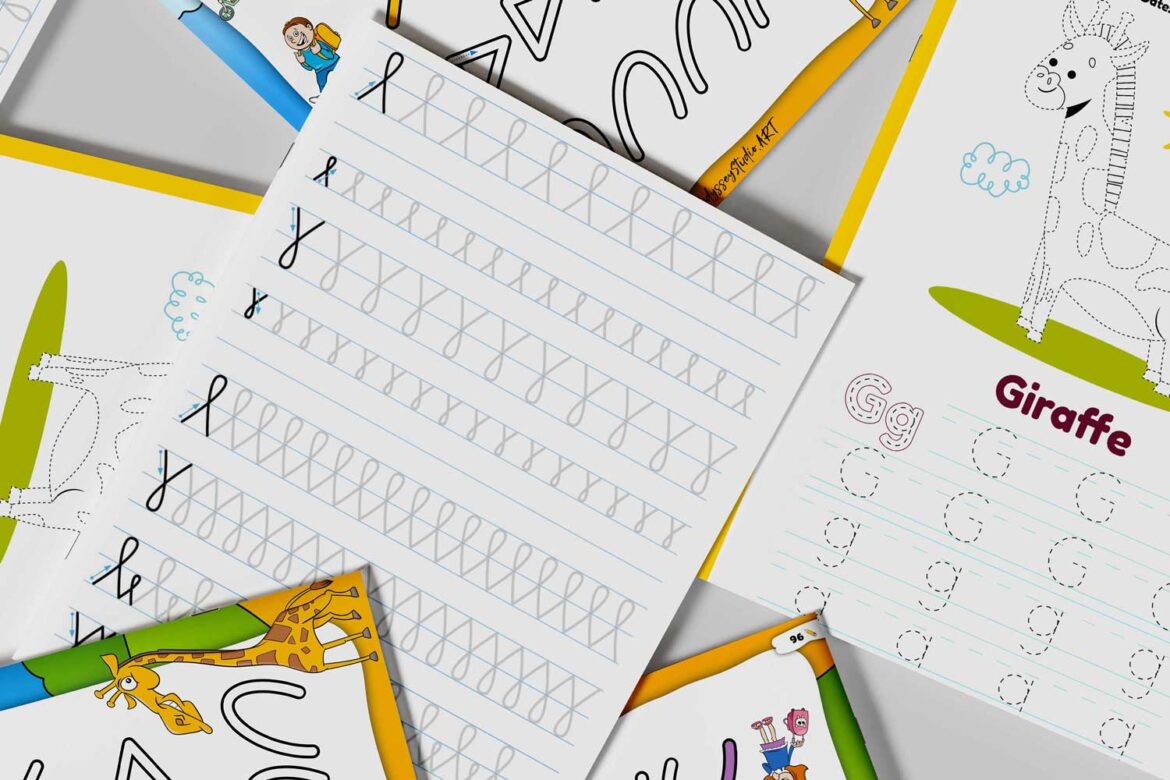
Tracing worksheets are one of the most familiar early learning tools used with preschool and kindergarten children. They usually include lines, shapes, curves, patterns, letters, or simple images that children trace using a pencil, crayon, or finger.
Tracing worksheets are commonly used as part of pre-writing activities. Their main goal is not handwriting itself, but building the foundational skills children need before formal writing begins. If you’d like to learn more about the philosophy behind creative early learning, you can also visit the About Me page.
Parents often associate tracing with traditional worksheets, but when designed thoughtfully, tracing activities can be engaging, creative, and developmentally meaningful.
Where Did Tracing Activities Come From?
Tracing activities have been used in early childhood education for decades. Long before digital tools and printable downloads, children practiced controlled movement by tracing shapes, patterns, and letters on paper.
In American preschool and kindergarten classrooms, tracing became a standard part of fine motor skill development. These activities helped children strengthen hand muscles, improve coordination, and learn how to control writing tools. You can find examples of modern, creative tracing pages in the blog category Free Tracing & Pre-Writing Worksheets for Preschoolers.
What has changed over time is not the purpose of tracing, but how it is designed and presented.
Why Tracing Worksheets Support Pre-Writing Skills
Before children learn to write letters or words, they need to master several underlying skills. Tracing worksheets help develop:
fine motor strength
hand-eye coordination
visual tracking
pencil control
smooth and intentional hand movements
In early learning, these skills are often grouped under pre-writing skills. Strong pre-writing foundations make later handwriting easier, more confident, and less frustrating for children. Many of these skills are also supported through activities shared in the Free Preschool Worksheets section of the blog.
Creative Tracing vs. Traditional Worksheets
Not all tracing worksheets are the same. Many traditional worksheets focus on repetition and rigid patterns, which can quickly become boring or overwhelming for young learners.
Creative tracing worksheets, like those featured in the Creative Worksheets for Kids category, offer:
flowing lines instead of sharp drills
playful paths and shapes
visually engaging designs
room for exploration rather than perfection
When tracing feels like play, children are more likely to stay focused and motivated.
Tracing in Preschool and Kindergarten Today
In modern early learning environments, tracing is no longer limited to paper. Many families now use printable tracing worksheets alongside tablet-friendly digital files, allowing children to trace with a stylus or finger.
This flexible approach is often explored in posts from the Free Digital Worksheets for Kids (Tablet-Friendly) category, where parents can see how tracing activities work both on paper and on screens.
Tracing remains relevant because it adapts easily to different learning styles and settings.
Choosing the Right Tracing Materials for Your Child
When choosing tracing worksheets for your child, look for materials that:
are age-appropriate
support fine motor development
feel visually calm and inviting
go beyond repetitive line drills
High-quality tracing activities should support learning without turning it into a chore. Many parents start with free sample pages shared in the blog and then move on to full sets from the Printable Activity Books for Kids collection.
Explore Creative Tracing Beyond Traditional Worksheets
If you’re looking for tracing worksheets that feel more like creative exploration than traditional schoolwork, take a look at the tracing activity books created as part of the Printable Activity Books for Kids collection.
These books are designed to support pre-writing skills through playful, visually rich tracing activities that children actually enjoy. For families who prefer physical books and want to avoid printing large sets at home, selected tracing collections are also available as printed books on Amazon.
Explore the printed tracing book here: